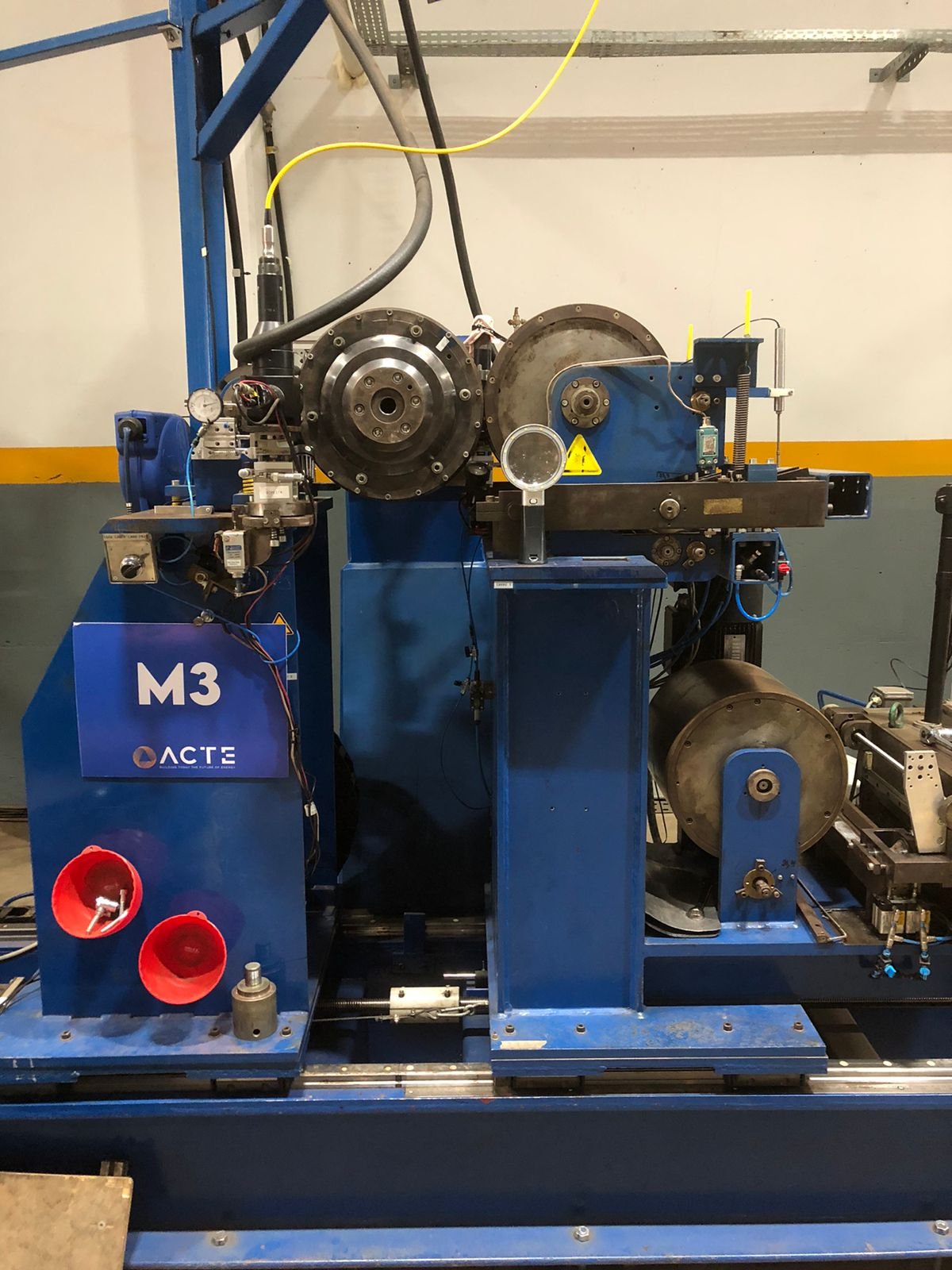
M1 Doublet production
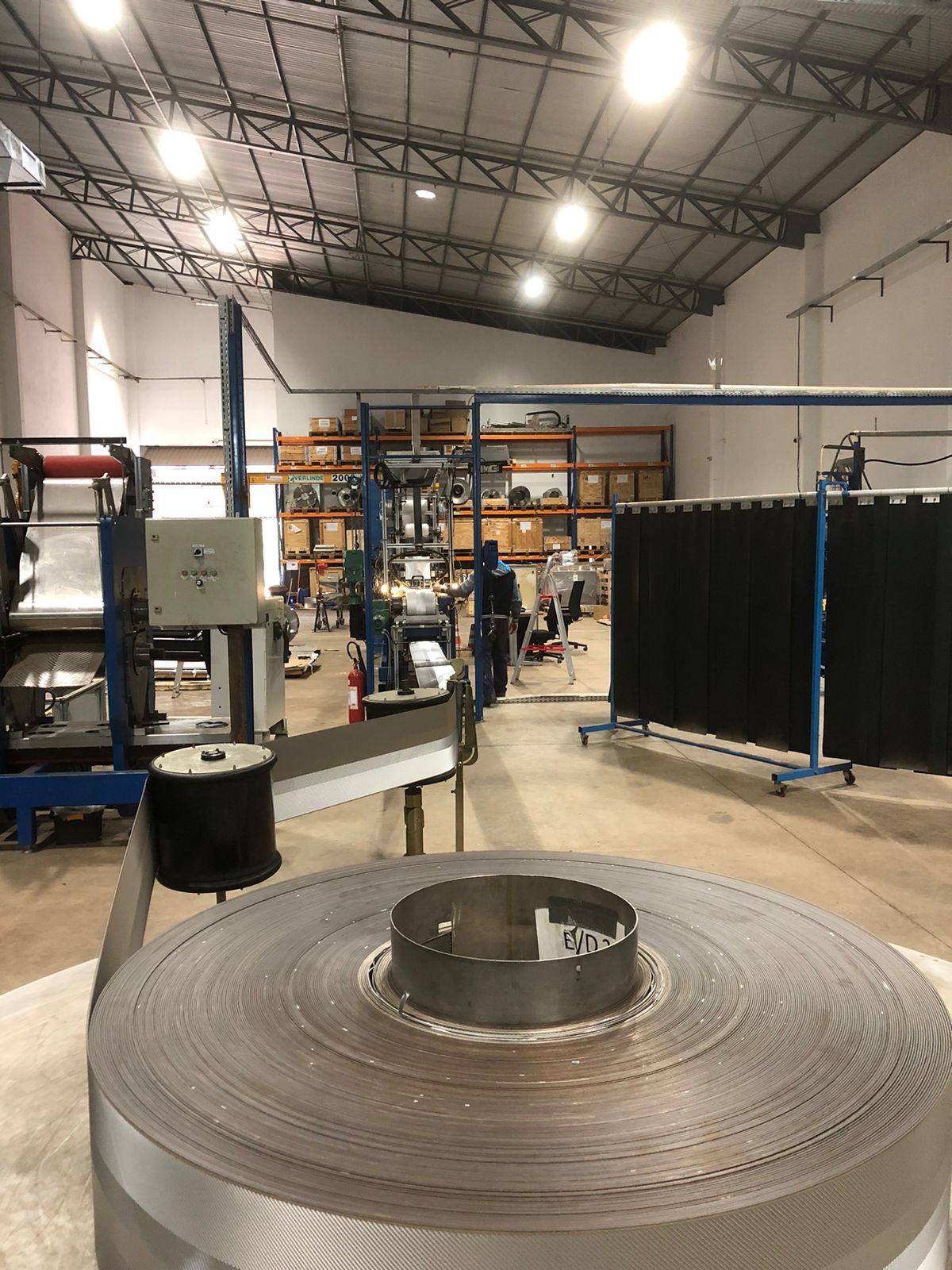
12 mm of doublet per second, year round, non-stop—all automatically.
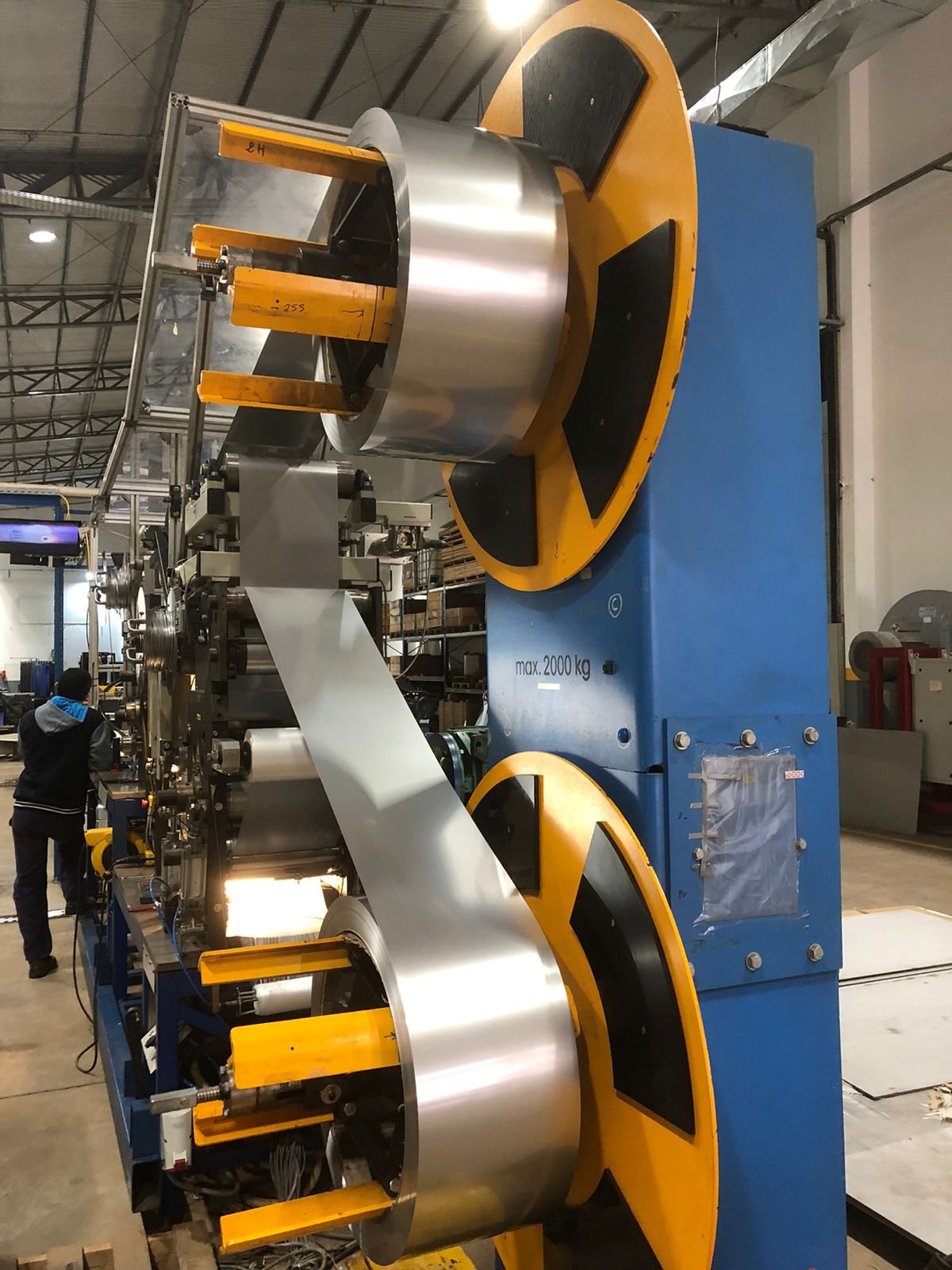
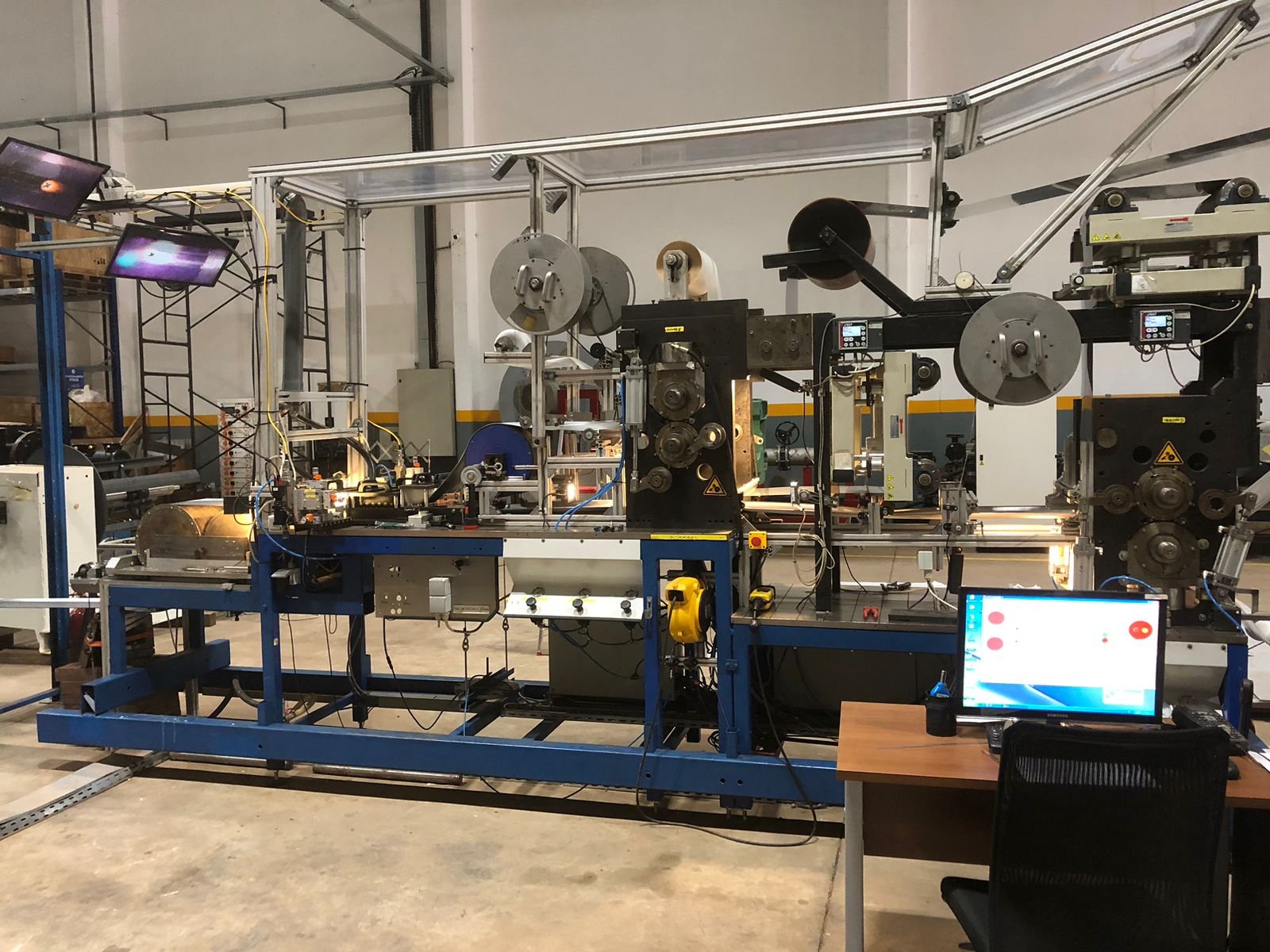
High effectiveness and long service life, designed into every core. Automated manufacturing delivers consistent quality and repeatability—from prototype to series production.
Two formed plates welded into a pair make a doublet: one fluid passes inside it and the other outside. Every square metre of primary surface has hot fluid on one face and cold fluid on the other.
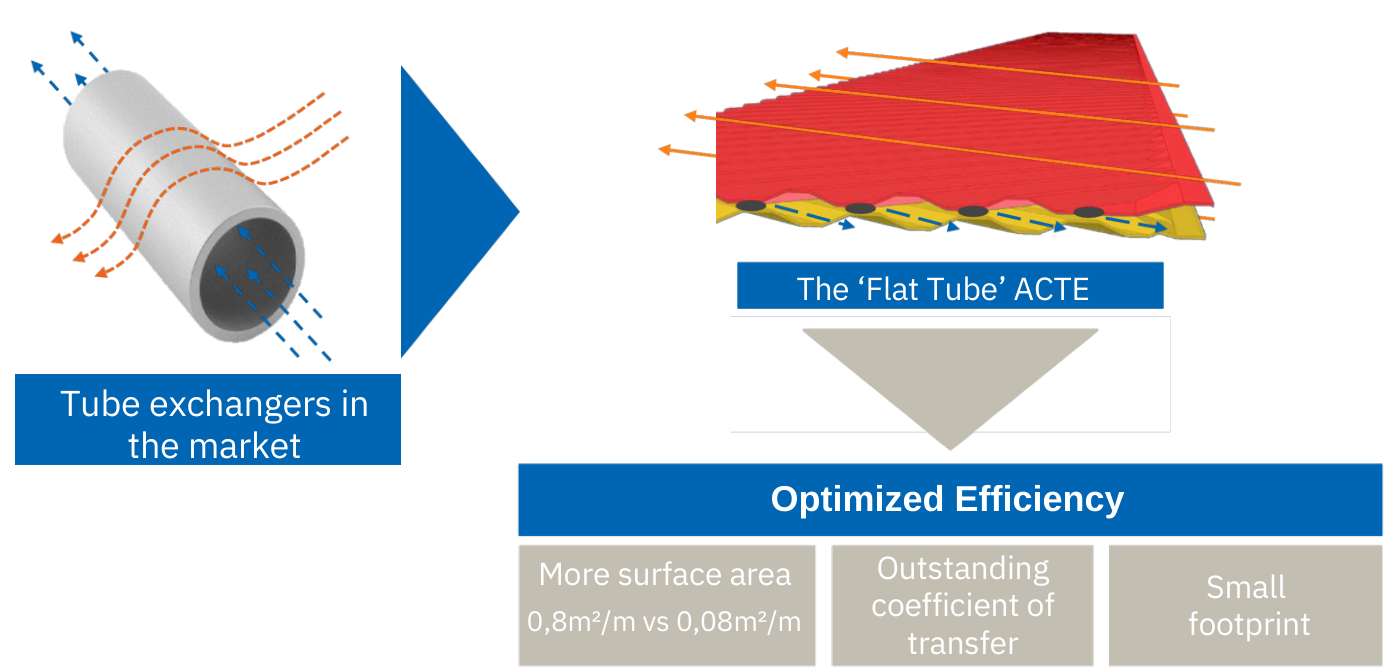
Stack the doublets and the spacing between them is the gap. That spacing can be adjusted: narrow for clean gas and maximum surface, or wider where particles make fouling a concern.
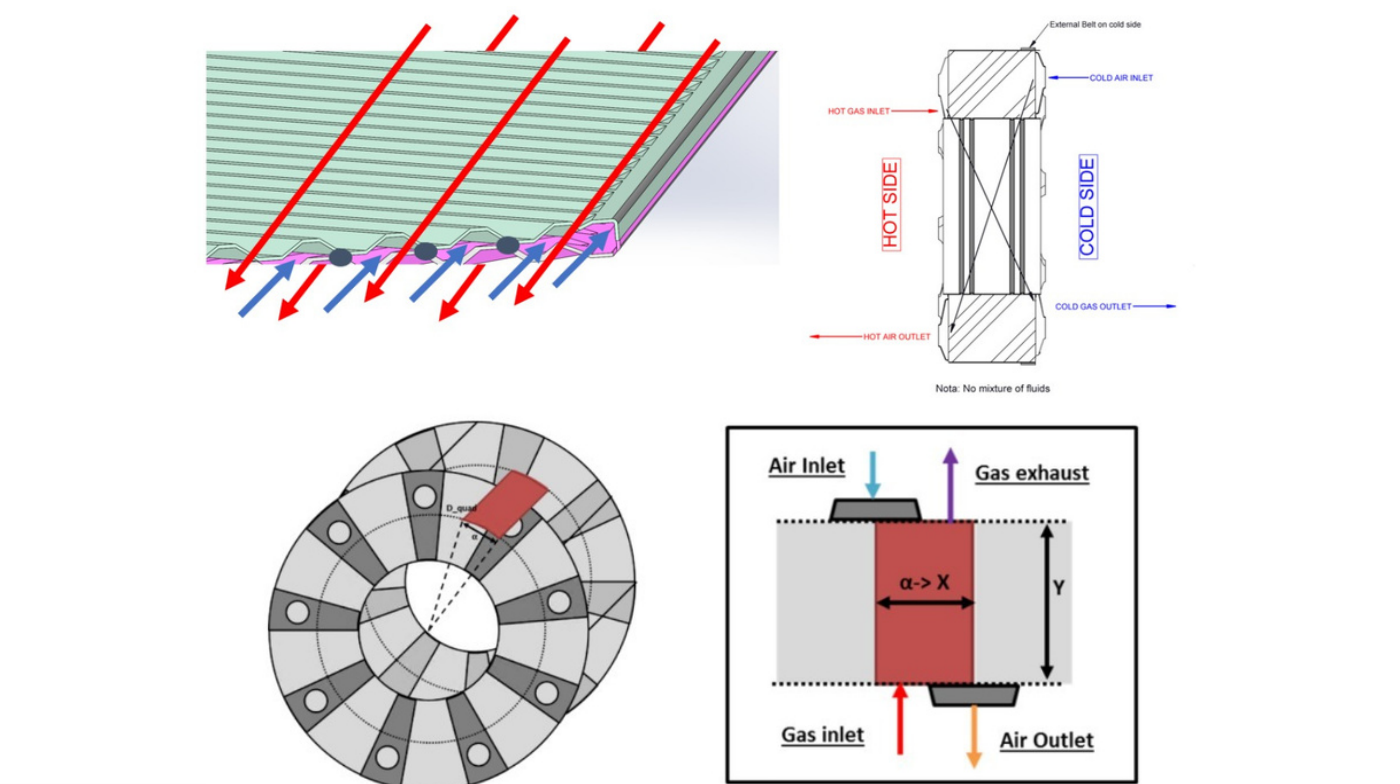
Hot and cold streams run in opposite directions so the temperature difference is maintained along the exchange path. In a recuperator, exhaust passes down one face of every plate while compressed air returns along the other; heat crosses, but the gases never meet.
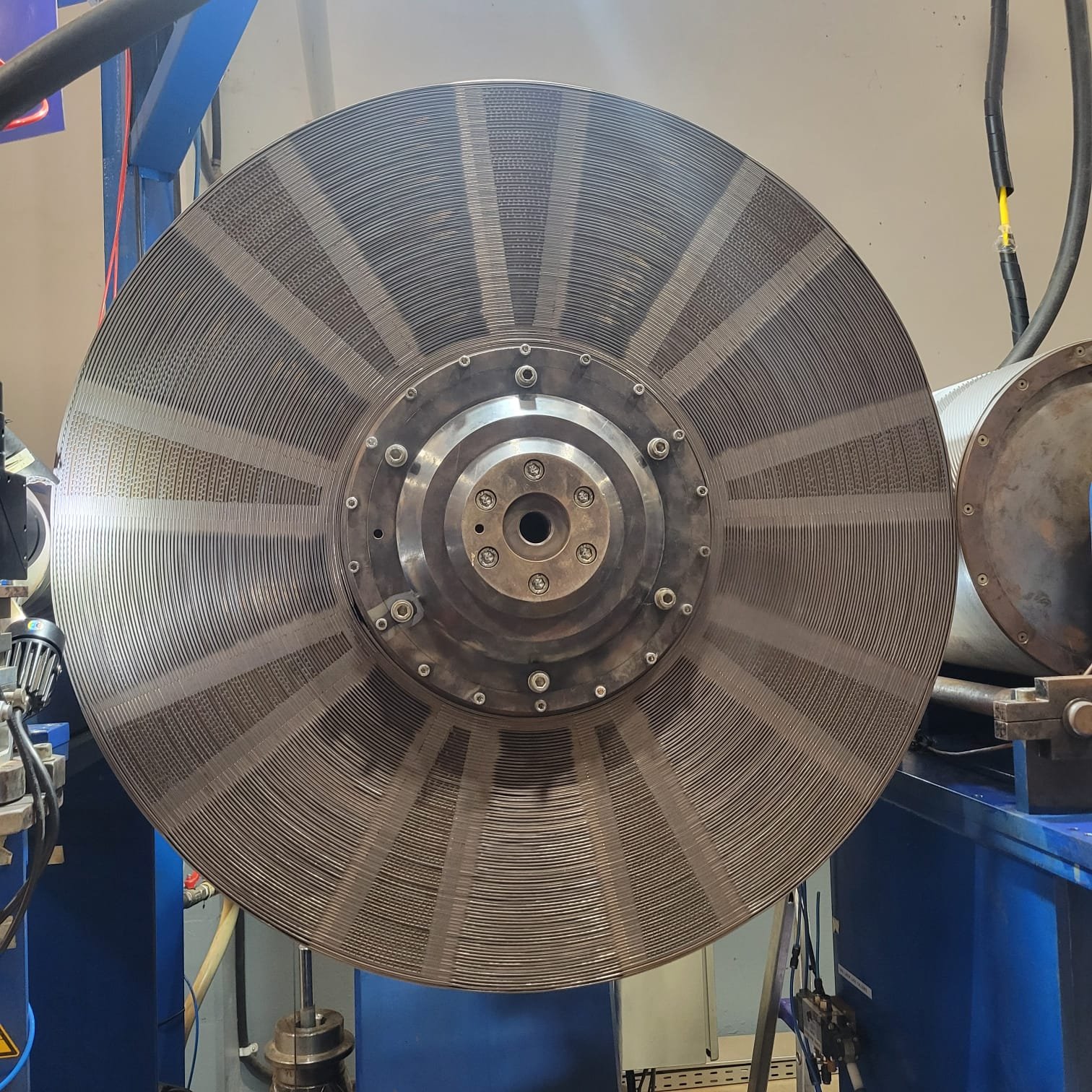
A flat plate under thermal shock can deform unpredictably. Curving the plate into an annulus makes that movement more controlled and repeatable through start-up and shutdown cycles. Gas-side pressure drop is treated as a design input because every loss comes off the turbine’s available power.
Modularity applies to both CPT and GAP. Beyond the models shown, ACTE offers other off-the-shelf products, combinations in series or parallel, and custom-sized equipment. The core configuration is selected to match the duty and available space.
Automated doublet production, followed by core winding. Two stages turn the primary exchange surface into an annular core.
12 mm of doublet per second, year round, non-stop—all automatically.
The exchange surface is wound into the curved geometry of the core.
Early collaboration starts with the complete recuperated cycle: pressure ratios, exhaust temperature, mass flow and allowable pressure drop. Core geometry, casing, flow distribution and connections are then developed around the thermal duty and available space.
Discuss an application →